

Formats
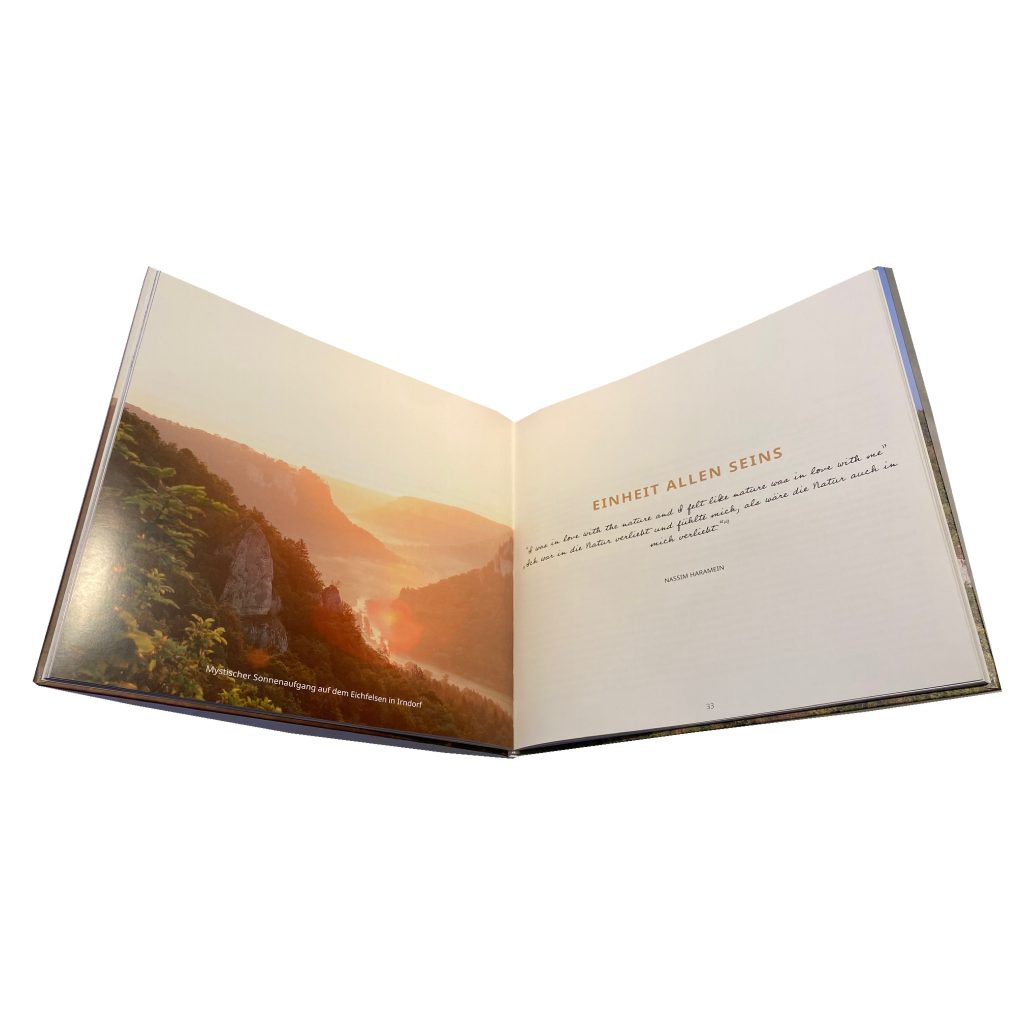
Author Reading
An author reading is the encounter with the person who has written a book. Andreas Stefan Geiger reads from his work. The readings take place exclusively at special venues. Each venue brings its own history and atmosphere and thus becomes part of the reading.
Text, image, voice and music come together in the space. The images are present as originals or as projections. Music frames and supports the reading. Afterwards there is time for questions and personal conversations with the author and among each other.
Exhibition
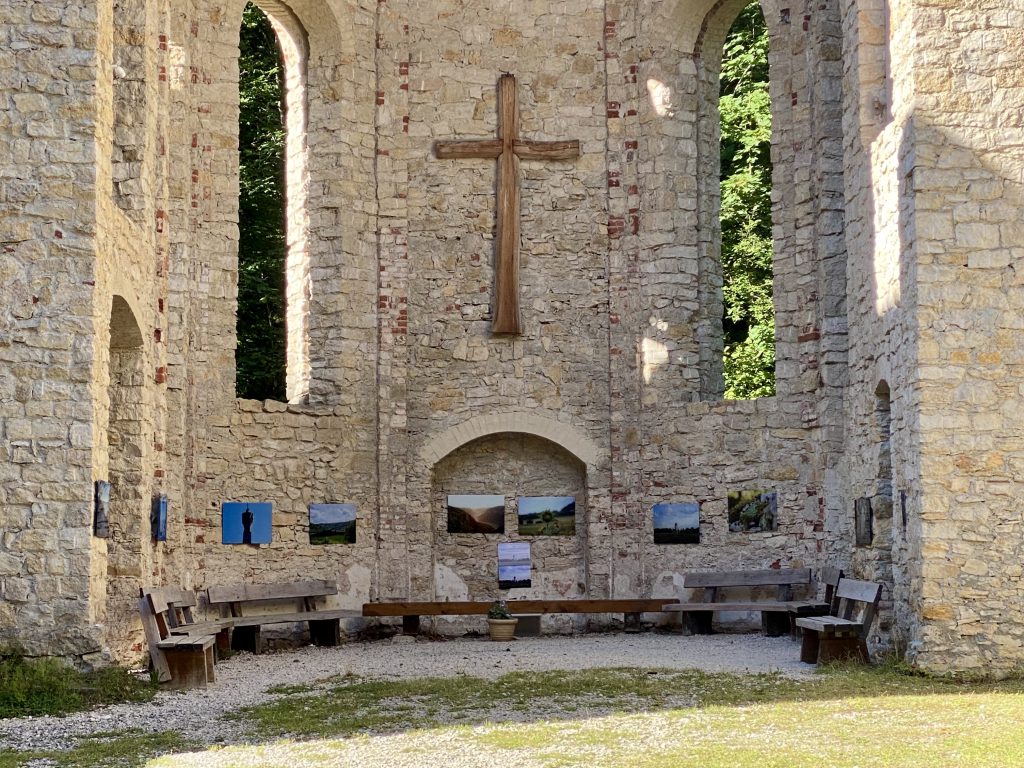
An exhibition brings the images and texts of a project to a special place. Just as an architect designs a house, an exhibition is carefully planned. The space, the images, the texts and the visitors’ routes are harmonised.
In the church ruin Maria Hilf on the Welschenberg, they become stations along a path through the space. Visitors can linger, marvel, read and pursue their own questions.
An exhibition can make knowledge vivid, promote cultural diversity, bring people into conversation and open the eye to social and ecological questions.
At events, images, texts and the place create a space for encounter and philosophy in the spirit of the True, the Good and the Beautiful in flow.
A well‑chosen, dignified frame for engaging images, colour and life in contrast to a Lost Place.
Seminar
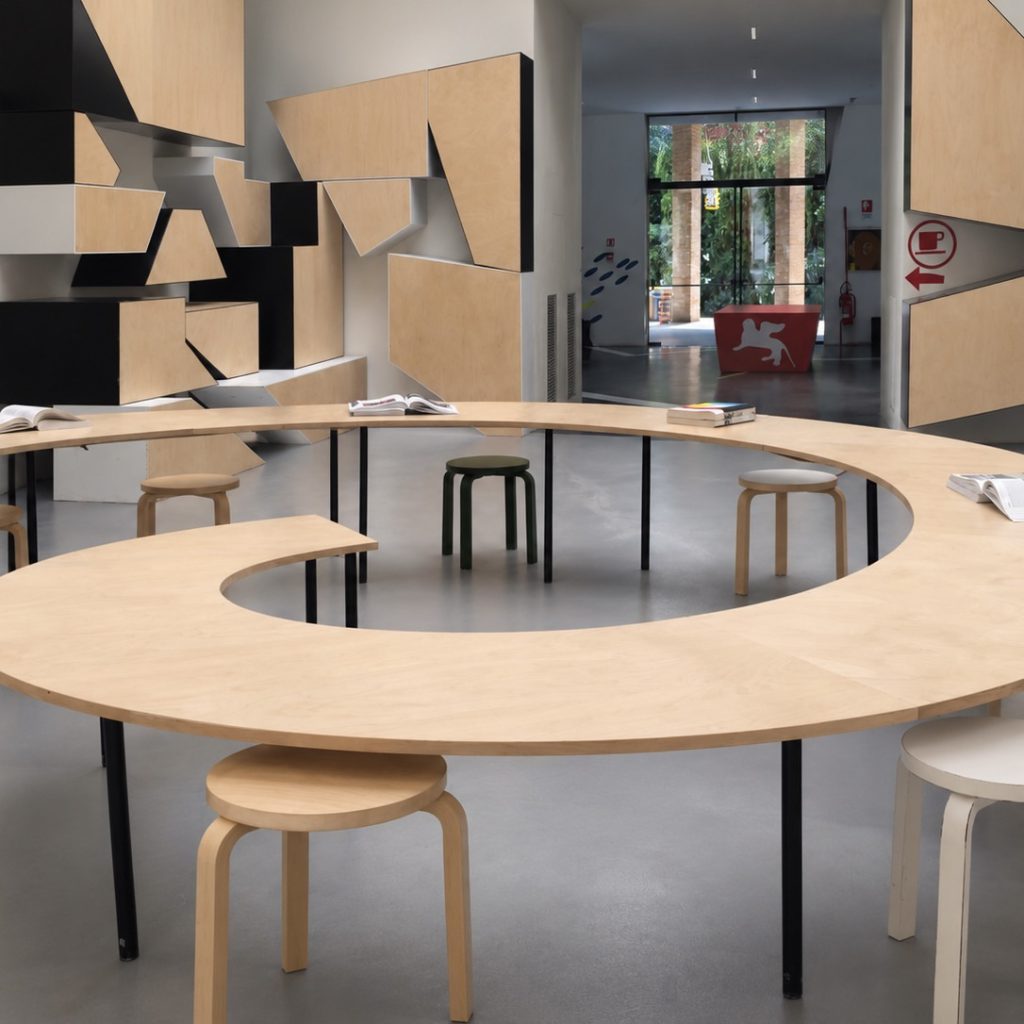
A seminar gives time to pursue a topic together. In each session a chapter is negotiated. Texts, images and brief impulses provide a clear starting point.
Participants can optionally give a presentation on a deepening aspect from the specified literature. In conversation they can bring in their experiences, questions and thoughts. Thus the topic is deepened together and linked to their own lives.
Philosophical Academy
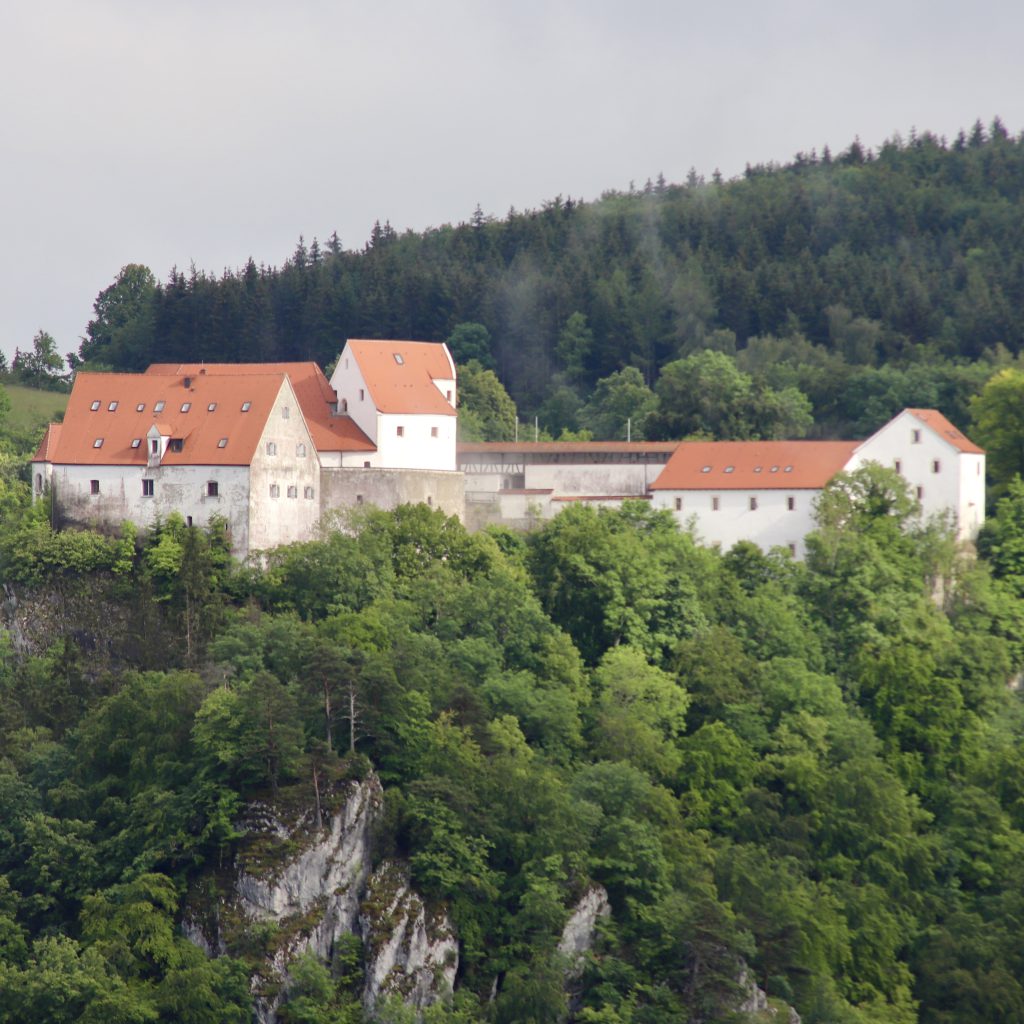
The Philosophical Academy is something special: here we truly take the time to treat an overarching theme in twelve thematic areas thoroughly. Two weeks are allocated for this. On twelve seminar days we devote each to a topic in four work blocks of 90 minutes each. The morning starts with an impulse and two work blocks for inspiration. In the afternoon follow two work blocks for integration.
Each week there is a free day for excursions and rest. The Academy takes place at a beautiful location, with a lovely quarter, nourishing food and an environment where there is also time for walks, nature experience or wellness. Travel to and from add to the 14 days.
Reading Course
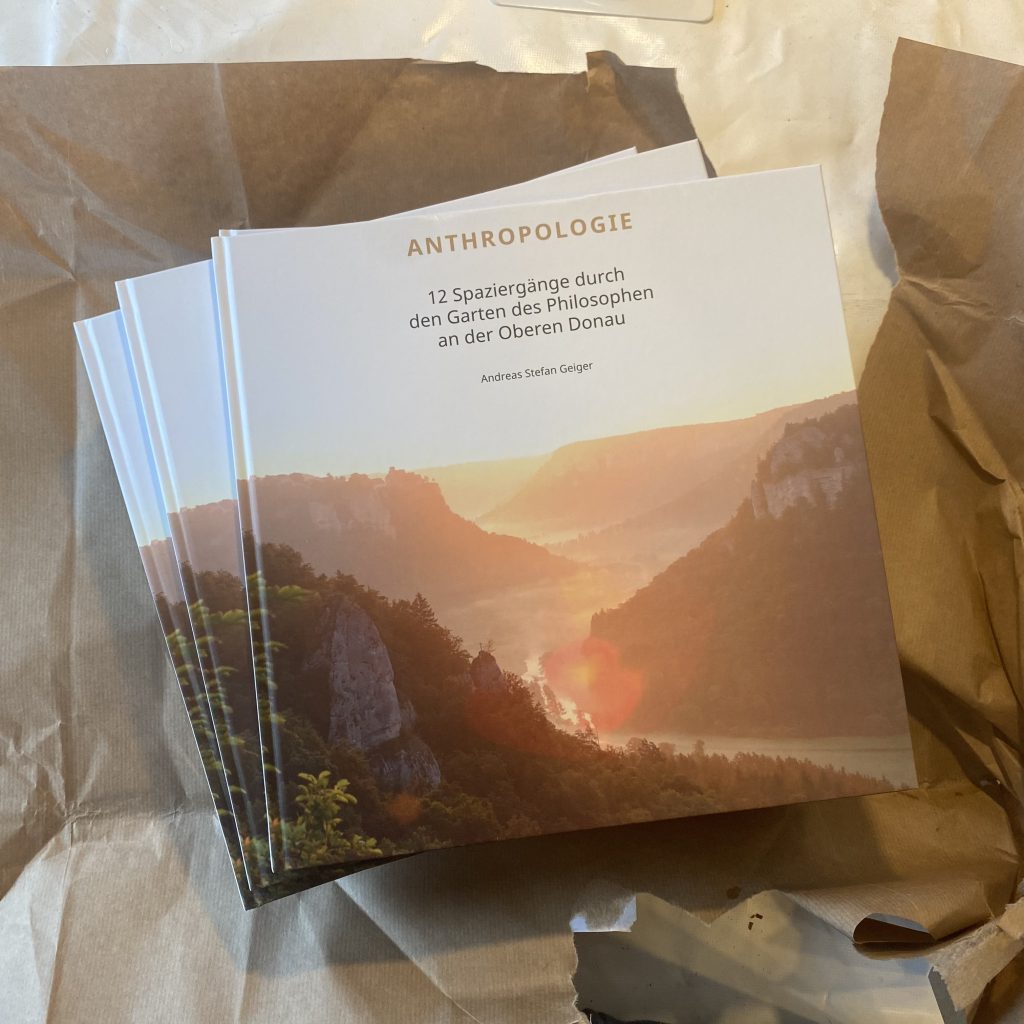
In a reading course a book of my own, a classic from the history of philosophy or a current book is read and discussed together. The course can focus on the whole book or on pre‑defined thematic focal points.
The book is divided in advance into manageable sections and worked through together, step by step, in flow. In doing so we also consider the texts in their historical and philosophical context.
Participants can bring in their own interpretations, questions and experiences. Thus we uncover the book through shared thinking and conversation.
Lecture
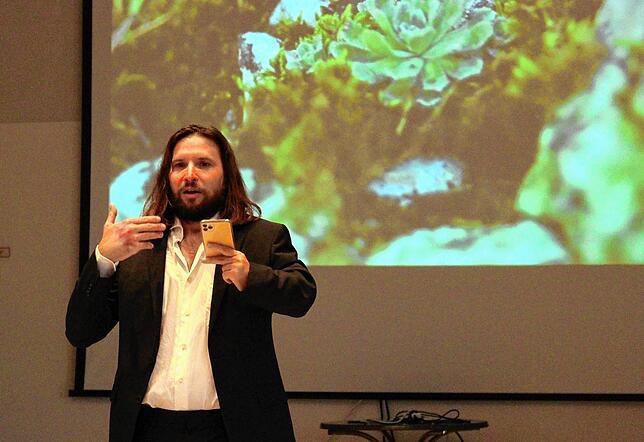
In a lecture I try to present a topic in the spirit of the True, the Good and the Beautiful and give the audience an inspiring impulse. Even complex ideas should become understandable through images, texts and examples. In doing so new perspectives may open and connections to one’s own life may arise.
Usually after a 60‑minute lecture there is still 30 minutes for questions and discussion.
Conversation
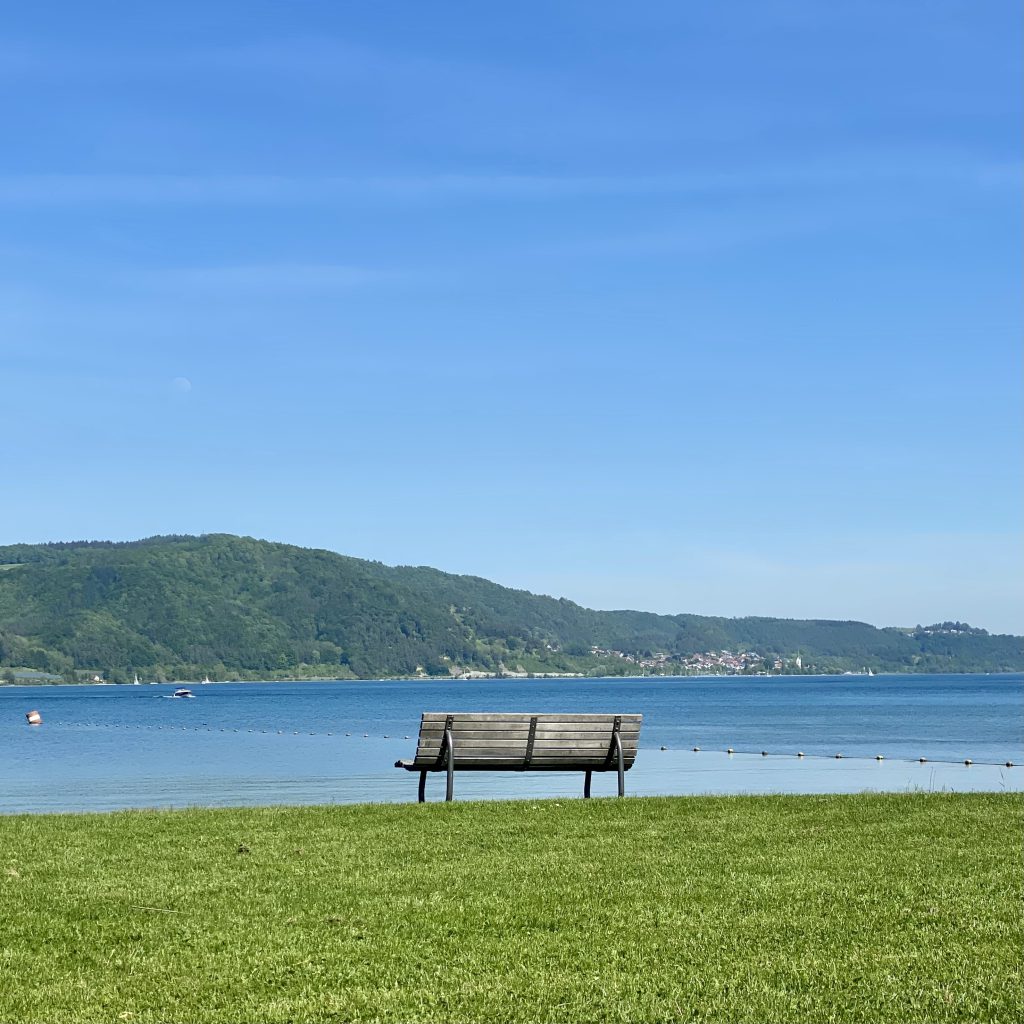
In a philosophical conversation we jointly explore a topic – in one‑to‑one or in a group. There is space for personal thinking, questions, listening and personal experiences. Different perspectives can be brought in openly and respectfully and examined together.
For very complex topics I structure the subject into manageable sub‑points so that we move through it together safely, like stepping over stones in a stream.
Picnic
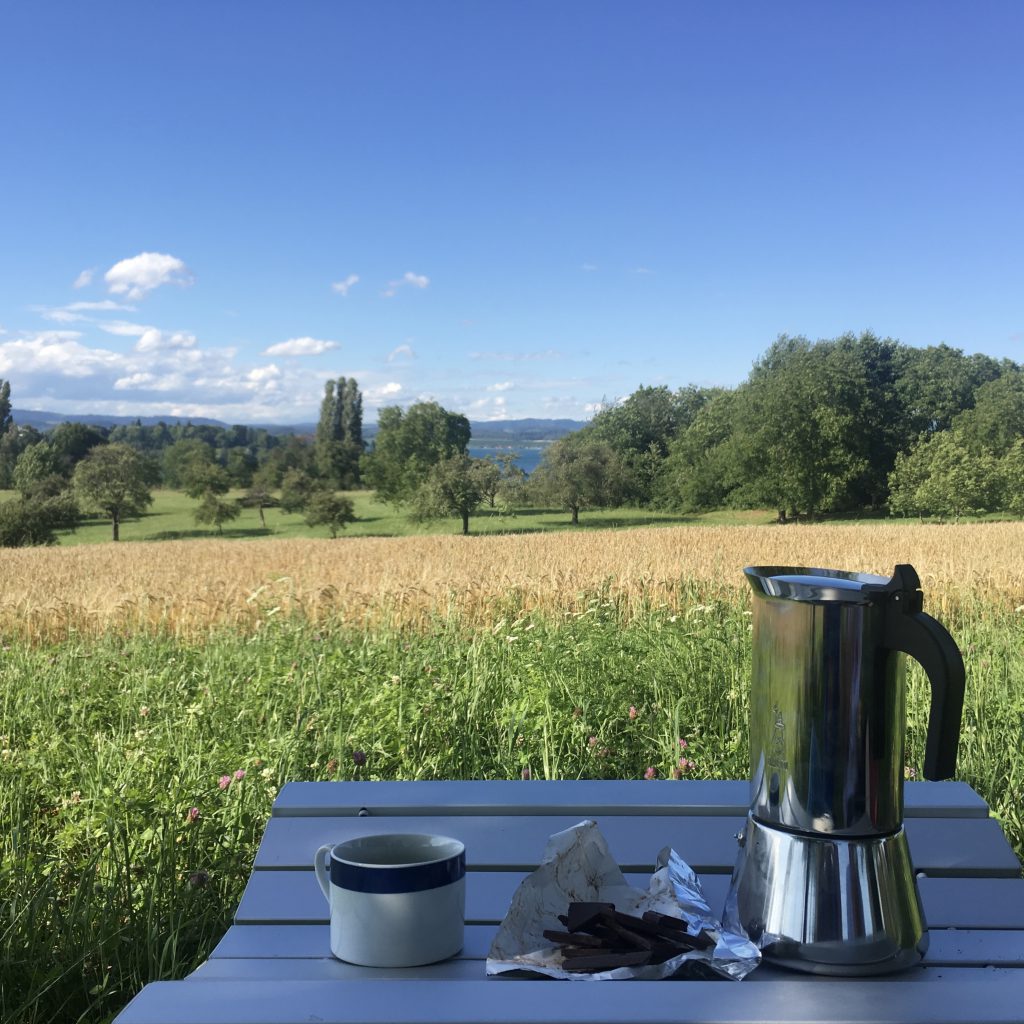
A picnic brings together nature, enjoyment and encounter. Across several courses philosophical impulses, music, cuisine and time for conversation and encounter alternate.
For each course there is a philosophical thought, a quotation, a brief explanation and a question. Thus the shared meal and shared thinking are linked.
Philosophising with Children
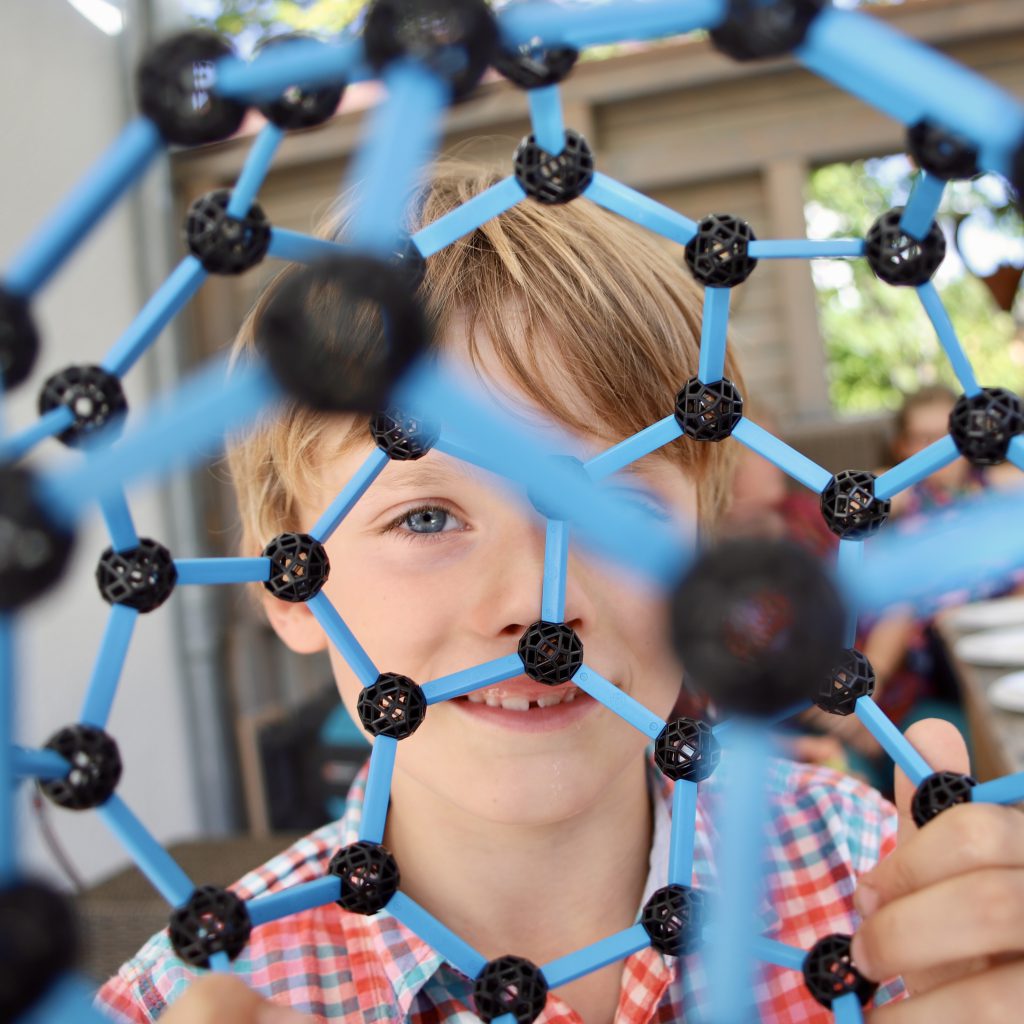
Children are naturally curious and ask questions, until adults become somewhat annoyed. Sometimes they ask questions that go beyond sensory experience. Then they begin to philosophise.
In a session on philosophising with children, I break large topics into small, manageable units, give brief prompts, and ask questions that resonate with children’s everyday lives.
Children are given space to develop and express their own thoughts. They can learn about others’ thoughts and think further together. I am sometimes surprised at how free, unconventional and productive children can be when they marvel and question the world.
“The child is the greatest philosopher. It perceives the world as it is, without putting more into things than it experiences.”

Philosophising with Teenagers
Teenagers are still very curious and at the same time in a life phase where they want to experiment and redefine their relationships with others and their place in the world.
To that end, I divide a topic into small units, give prompts, ask questions and provide space for discussion. Creative prompts in the form of pantomime, Lego sculptures, staged interludes or photographs are added.
Thus teenagers can philosophise productively beyond discourse and experience themselves anew with others. They can develop, question and think further about their own positions. They also learn other perspectives and can discuss them respectfully.

Walk
A walk combines movement, nature experience, community and thinking. The route deliberately leads to special places whose history and atmosphere become part of the philosophical walk.
I structure a topic along a route. At each point I give a brief prompt on the topic and a small task to take along. In small groups participants can discuss the topic. At short stops between points, the jointly developed thoughts can be reintroduced into the group.
During a shared break in the middle and at the end participants can refuel, enjoy music or culinary delights. The walk starts with a small opening and ends with a small festive conclusion.
Bike Tour
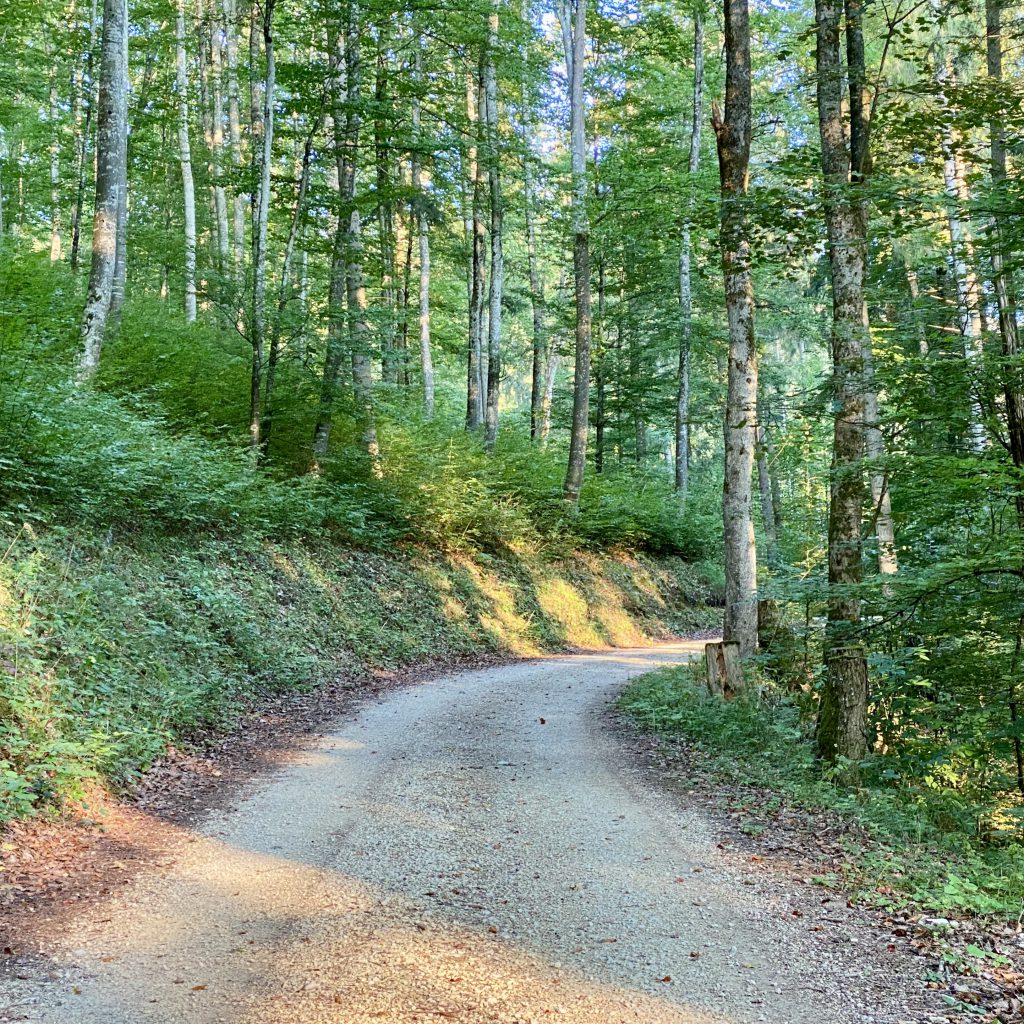
In a philosophical bike tour, the group starts after a shared opening. The route structures the topic. Special places are deliberately chosen. The landscape, movement and character of these places become part of the philosophical experience.
At each stop I give a brief prompt on a topic. At the next intermediate stop the group can bring back thoughts conceived on the way into the plenary. At the end of the bike tour participants can refuel together and ceremonially finish the tour.
Block Seminar
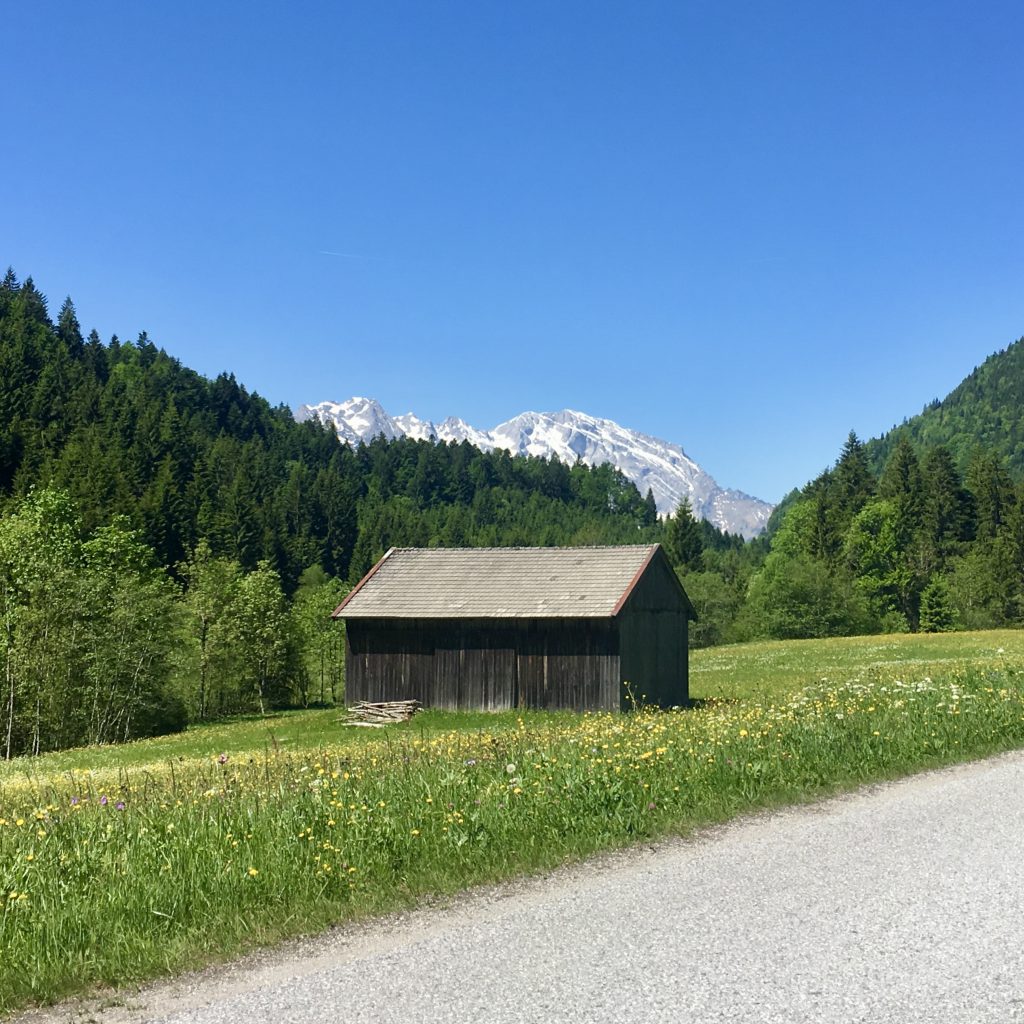
In a block seminar, the content of 12 to 14 evening events is covered over an extended weekend or several weekends. The individual contents build on each other.
Through the continuous time we can engage intensively with a philosophical topic. Texts, prompts and shared conversations provide space to deepen the topic together.
Long Night of Philosophy
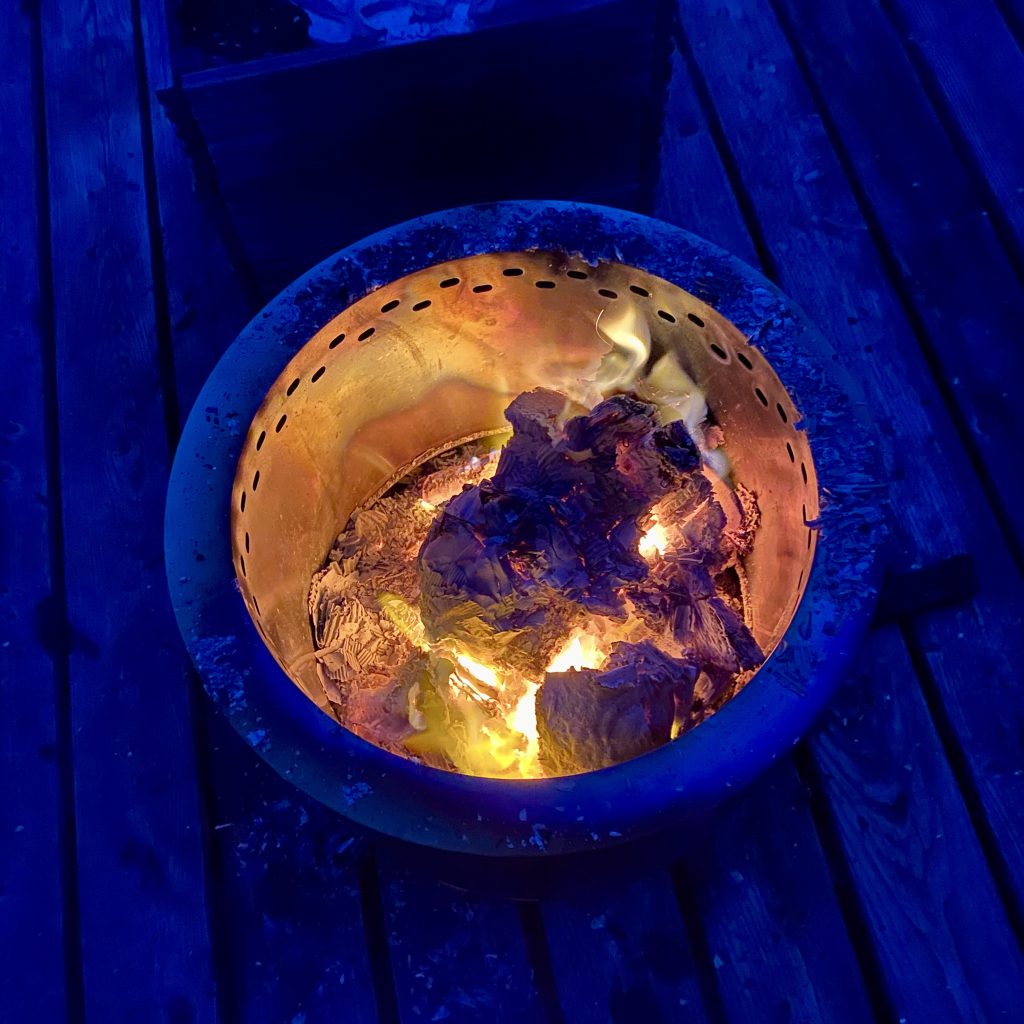
The Long Night of Philosophy is inspired by Plato’s Symposium. At a special place we take an entire evening and, if desired, the night to delve into a topic together. Without time pressure, thoughts can arise, be continued and deepened.
The topics are arranged in a special sequence, inspired by Plato’s Symposium. This creates a movement that spirals ever deeper into the topic. As facilitator I can organise participants’ contributions and enrich them with further thoughts. Music and moderate enjoyment can accompany the evening. The conversations may continue into the early morning hours.
A special occasion for this is the World Philosophy Day, which UNESCO observes each year on the third Thursday of November. The Long Night can also take place on another date.
Spiritual Exercises
Just as an athlete trains their body, one can train spiritual dimensions. This often involves retreat, light and tasty food, and silence.
Within 14 days, for example, the twelve topics of anthropology can be intensely explored. The morning is devoted to prompts and shared conversations. The afternoon is free for creative work, meditation, light body exercises or nature experience. One can also record personal thoughts and experiences in writing.
The day starts with a brief shared prompt and ends with a brief shared prompt and the opportunity for a personal daily review. Additionally, there is time for one‑to‑one conversations where the exercitiants can discuss their experiences and topics confidentially with the facilitator.